
Latest market analysis
JPY Market Update
12 Aug 2026 • 00:27 GMT
The Japanese Yen remains under pressure against the US dollar, with USD/JPY climbing near 159.3, just shy of its three-month average. The yen's weakness persists despite recent intervention efforts by Japanese authorities, driven mainly by the broad interest rate gap between the US and Japan and concerns over further US Federal Reserve tightening. The dollar benefits from strong US economic data and expectations of continued US rate hikes, keeping it supported near multi-week highs.
In addition, the yen has traded within a narrow range against other major currencies like the euro and the British pound, staying close to recent lows. Market experts suggest that without shifts in energy prices or a change in US monetary policy, intervention attempts may only offer temporary relief. As the dollar remains robust and geopolitical tensions worldwide remain elevated, the yen could see continued downward pressure into the near term. Traders should keep an eye on US economic data and any signals from the Bank of Japan, as these will influence the yen’s direction.
Forecast snapshot
Quick USD/JPY forecast
Near-term bias🟢 Mild upside
Expected range159.3000 – 166.7680
Dominant driver🌍 Global risk sentiment
3-month trend🟢 Uptrend
Stay informed
JPY news & insights
Recent analysis, guides and market developments relevant to the Japanese yen.





Rate direction
US dollar to Japanese yen · USD/JPY trend
Review the recent market direction, current mid-market rate and significant movement alerts.
Compare before you exchange
Compare and save on JPY exchange rates
Exchange rates vary between banks and currency providers. Use the comparison below to understand total costs and potential savings against typical bank pricing.
Loading exchange rates...
|
|
|
||
|
|
|
||
|
|
|
||
|
|
|
Explore JPY pairs
Popular JPY exchange rates
Open a currency pair to view its live rate, comparison options, recent trend and market context.


1 JPY =0.006291USD
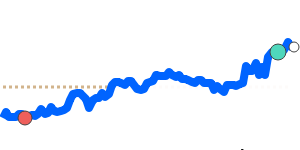
1D0.0%⬦
1 USD =158.97JPY
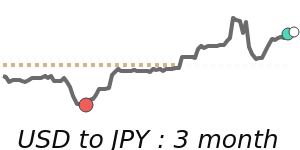
1D0.0%⬦

1 JPY =0.008754CAD
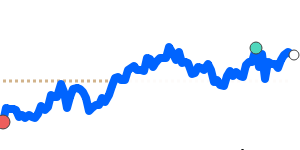
1D−0.1%▼

1 JPY =0.005446EUR
1D0.0%⬦

1 JPY =0.004651GBP
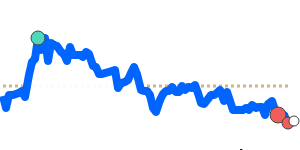
1D0.0%⬦

1 AED =43.29JPY
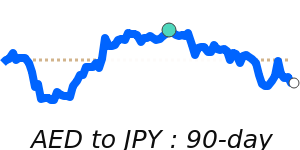
1D0.0%⬦

1 JPY =112.27IDR
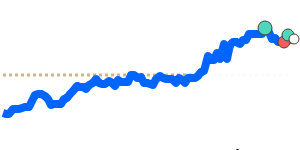
1D+0.2%▲

1 MYR =38.91JPY
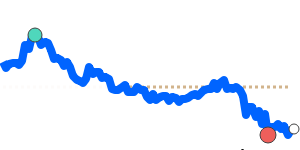
1D−0.1%▼

1 AUD =112.63JPY
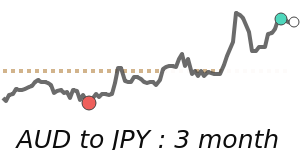
1D+0.1%▲