Outlook
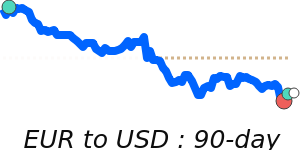
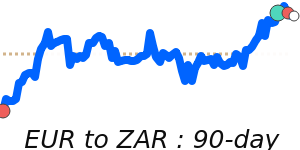
The euro is holding firm against a softer US dollar, trading near 14-day highs in EURUSD as euro-area momentum improves while tariff rhetoric remains a risk. The shift is supported by Bulgaria’s euro adoption and the ECB’s digital euro project, which together reinforce euro-area credibility. Near-term direction hinges on German data and the US tariff path; a constructive ZEW reading and any signs of improved European growth could lift the euro, while tariff escalation or a stronger dollar could cap gains.
Key drivers
- US tariff risk: Trump’s threat of 10% tariffs on European partners and potential 25% levies by June weigh on risk sentiment and could cap euro gains if the dispute escalates.
- German/Eurozone sentiment: A positive German ZEW and improving euro-area growth expectations tend to support the euro, especially if momentum broadens beyond Germany.
- Euro-area integration and policy: Bulgaria adopting the euro and the ECB advancing the digital euro program add upside underpinnings for the single currency; a neutral 2026 policy path with 1.75%–2.25% rates supports a balanced backdrop.
- Inflation and growth outlook: Eurozone inflation expected to ease toward the ECB’s target, with growth around 1.6% in 2026; firmer data could keep the euro resilient against the dollar.
- Oil and energy dynamics: Oil at about 64.31 USD/bbl with energy costs in play can influence euro-area inflation and growth, contributing to volatility in euro pairs.
- USD sensitivity: The euro tends to rise when the USD weakens; conversely, a stronger dollar can limit EUR upside even if euro-area data is solid.
Range
EURUSD is near 1.1727 (14-day high), with a 14-day–to–3-month context around 1.1644. The pair has traded in roughly a 1.1480–1.1790 range over the past 90 days, the current level sitting near the top of that band.
EURGBP is at about 0.8726, within a 0.8658–0.8833 range.
EURJPY is around 185.5, within a 176.4–185.5 range.
Oil remains at 64.31 USD per barrel, within a volatile 59.04–66.18 range and about 2.1% above its 3-month average.
What could change it
- Tariff developments: Any resolution or delay in US tariffs could shift risk sentiment and tilt the euro; fresh threats or execution of duties would weigh on euro gains.
- German and euro-area data: Better-than-expected ZEW, CPI, and growth figures would reinforce upside for the EUR; weaker data would pressure it.
- ECB policy signals: Clarity on timing for the digital euro, and any shifts in the neutral policy stance, could alter rate expectations and EUR demand.
- Bulgaria and eurozone integration: Faster-than-expected integration or stronger fiscal measures in the euro area could bolster euro strength.
- Energy price moves: Sustained energy price declines or spikes would influence eurozone inflation dynamics and appetite for the euro.
- Global risk sentiment: Shifts in global risk appetite, including geopolitical developments, could drive USD flows and impact the EUR pairings.