Recent News >
By Currency: (CAD) USD(35) EUR(23) AUD(22) JPY(16) CAD(15) GBP(14) CHF(12) NZD(8) INR(8) OIL(8) CNY(8) SGD(5) MXN(5) KRW(3) SEK(3) IDR(3) VND(3) THB(3) RUB(3) TRY(2) TWD(2) NGN(2) NOK(1) PLN(1) NPR(1) ZAR(1) LAK(1) MMK(1) SYP(1) PHP(1) PKR(1) RON(1) ARS(1) KES(1) GHS(1) UGX(1) HKD(1) FJD(1)
By Topic: About Us(7) Fx Specialists(6) Wise(6) Foreign Transfers(5) Revolut(5) Travel Money(4) Fx Analysis(3) Expat(3) Ofx(3) Central Banks(1) South Korea(1) Fx Risk(1) Large Amounts(1) Business(1) Foreign Currency Accounts(1) Africa(1) Travel Cards(1) Provider Comparison(1) Crypto(1) Study Abroad(1)

Biggest Currency Movers – July 2026
The New Zealand dollar led July’s G10 gains after an RBNZ rate hike, while softer U.S. inflation weighed on the dollar and left the euro at the bottom of the major-currency table.
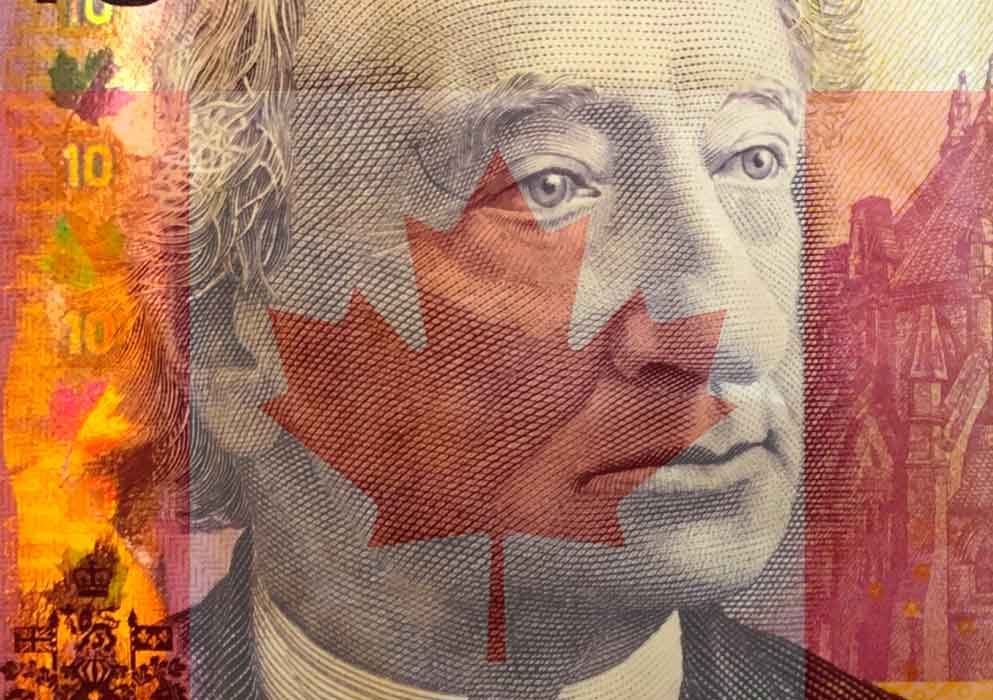
Where to for the Loonie in 2026
The Canadian dollar could recover modestly over the next year, but trade uncertainty and the interest-rate gap remain important risks.
Central Banks Diverge as July FX Decisions Approach
Central-bank policy is moving in different directions in July 2026. New Zealand and Japan have raised rates, Canada is holding, and the next Fed, Bank of England and Bank of Japan meetings could drive fresh currency volatility.

Oil Shock: Why Safe-Haven Currencies Are Back in Focus
Higher oil prices and Middle East uncertainty have pushed investors back toward safe-haven currencies, especially the US dollar, while adding pressure to oil-importing and risk-sensitive currencies as the Australian dollar.

Iran conflict lifts U.S. dollar as rupee and won come under pressure
The U.S. dollar has strengthened as investors move into safer assets, while higher oil prices and rising economic risks weigh on Asian currencies such as the Indian rupee and South Korean won.

Japan Travel Boom: Weak Yen Makes Winter Trips Exceptional Value
With the yen down sharply against major currencies, winter in Japan offers rare value on hotels, food, transport, and skiing. A rare currency tailwind for travellers.

Global Central Banks Shift Policy: Key FX Impacts for August 2025
Central banks are moving in different directions—Australia cuts, UK eases despite inflation, and the Fed faces political risks. Here’s what it means for exchange rates and transfer timing.
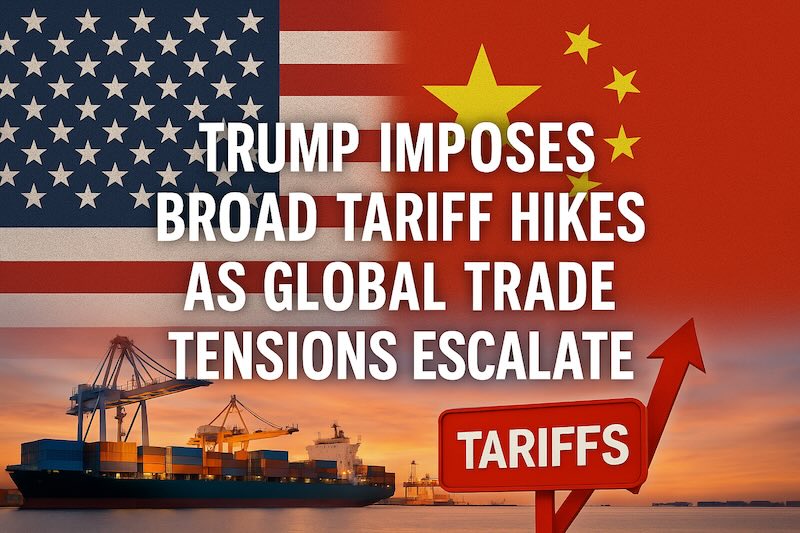
Trump Imposes Broad Tariff Hikes as Global Trade Tensions Escalate
President Trump has raised U.S. tariffs to an average of 15.2%, targeting Canada, Asia, and Europe, as part of his push to reshape global trade. Markets and currencies reacted with caution amid rising uncertainty.
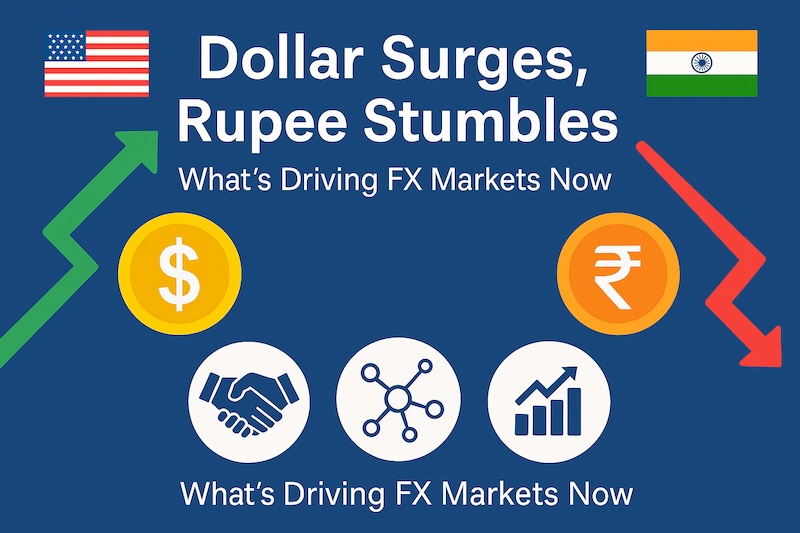
Dollar Surges, Rupee Stumbles: What's Driving FX Markets Now
Global FX markets shifted in July as the USD gained on trade deals, the British pound climbed, and the Indian rupee weakened on tariff fears. Here’s what’s driving currencies now.
Loonie Resilience Defies Odds Amid Carney Election and Trade Tensions
The Canadian dollar has defied political chaos and global headwinds to emerge as one of 2025’s unlikely winners. But with minority rule in Ottawa, soaring household debt, and a high-stakes U.S. election looming, the loonie’s fight for survival is just beginning.

Currency Markets in Flux: Euro's Ascent Amidst Global Economic Shifts
The global currency landscape is experiencing notable shifts as the euro strengthens against major currencies, influenced by economic policies, geopolitical events, and fluctuating oil prices.
Nigeria's Decision to End Currency Peg Triggers Historic Naira Plunge
Central Bank Chief's Removal Sets Stage for Currency Liberalization

US Dollar Weakens on Regional Banks Fears and Tighter Credit
The US dollar weakened due to fears surrounding regional banks, while the ECB offered a less hawkish than expected 25bp hike and the Swiss franc is in demand.
Fears of US Recession Shifts Currencies & Commodities
As we approach mid-year a shift has taken place in currency markets with the narrative less about interest rates hikes and more risk-off worries about a possible coming recession.

Russian sanctions mount - US dollar gains
Any curbs to Russian access to its foreign reserves could present a bigger blow to the Russian economy than the impact of a ban on Swift.

Canada Country Guide (CA)
Canada is a vast country with a lot to see and do, so it's a good idea to spend some time planning your trip to make the most of your time there. Here are some things you might consider when planning a trip to Canada: