Recent News >
By Currency: (USD) USD(35) EUR(23) AUD(22) JPY(16) CAD(15) GBP(14) CHF(12) NZD(8) INR(8) OIL(8) CNY(8) SGD(5) MXN(5) KRW(3) SEK(3) IDR(3) VND(3) THB(3) RUB(3) TRY(2) TWD(2) NGN(2) NOK(1) PLN(1) NPR(1) ZAR(1) LAK(1) MMK(1) SYP(1) PHP(1) PKR(1) RON(1) ARS(1) KES(1) GHS(1) UGX(1) HKD(1) FJD(1)
By Topic: About Us(7) Fx Specialists(6) Wise(6) Foreign Transfers(5) Revolut(5) Travel Money(4) Fx Analysis(3) Expat(3) Ofx(3) Central Banks(1) South Korea(1) Fx Risk(1) Large Amounts(1) Business(1) Foreign Currency Accounts(1) Africa(1) Travel Cards(1) Provider Comparison(1) Crypto(1) Study Abroad(1)

Weak South Korean Won Meets First Bank of Korea Rate Hike Since 2023
South Korea's first rate rise since 2023 changes the backdrop for the weak won, while market reforms aim to make KRW easier for overseas institutions to use.

Biggest Currency Movers – July 2026
The New Zealand dollar led July’s G10 gains after an RBNZ rate hike, while softer U.S. inflation weighed on the dollar and left the euro at the bottom of the major-currency table.
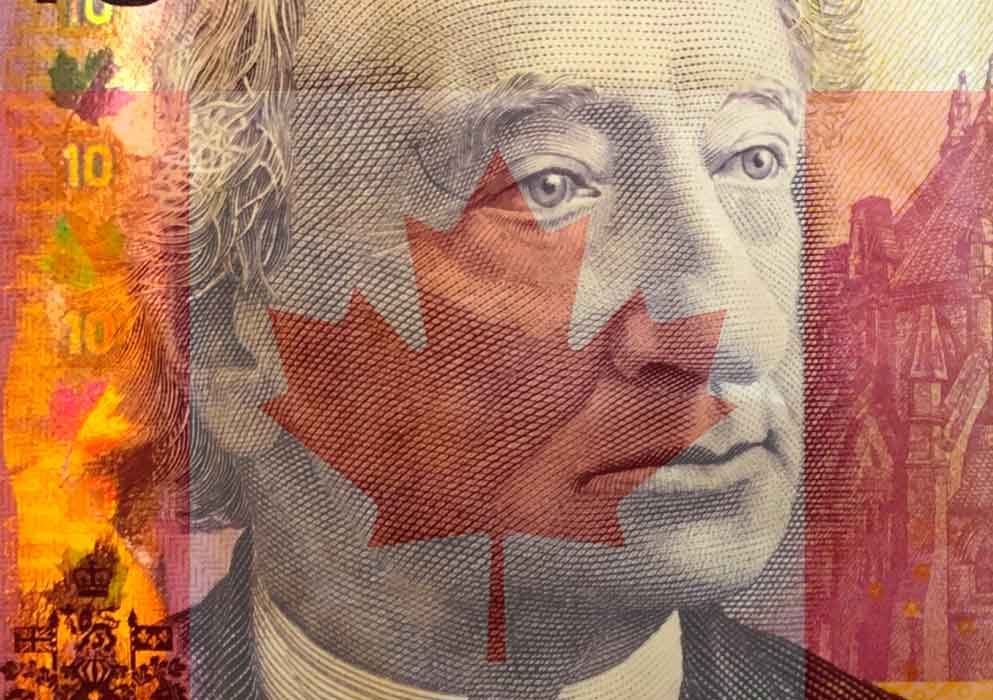
Where to for the Loonie in 2026
The Canadian dollar could recover modestly over the next year, but trade uncertainty and the interest-rate gap remain important risks.
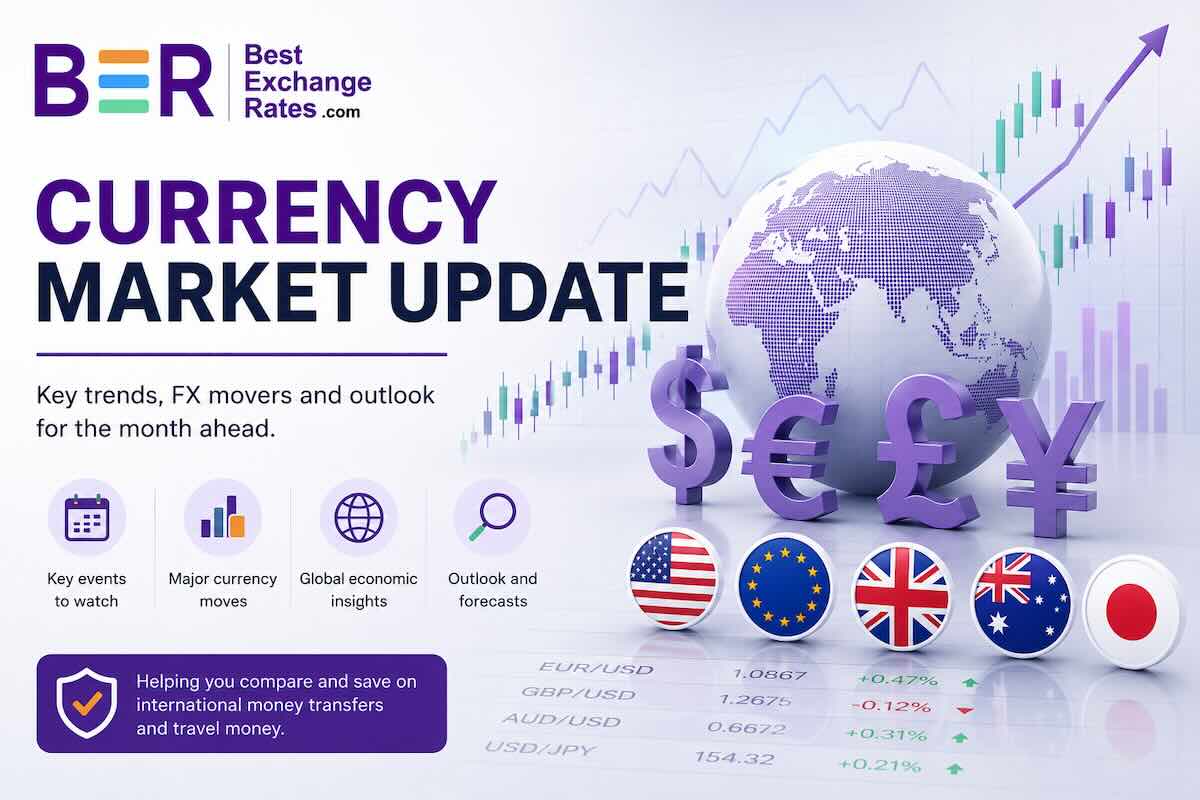
Central Banks Diverge as July FX Decisions Approach
Central-bank policy is moving in different directions in July 2026. New Zealand and Japan have raised rates, Canada is holding, and the next Fed, Bank of England and Bank of Japan meetings could drive fresh currency volatility.
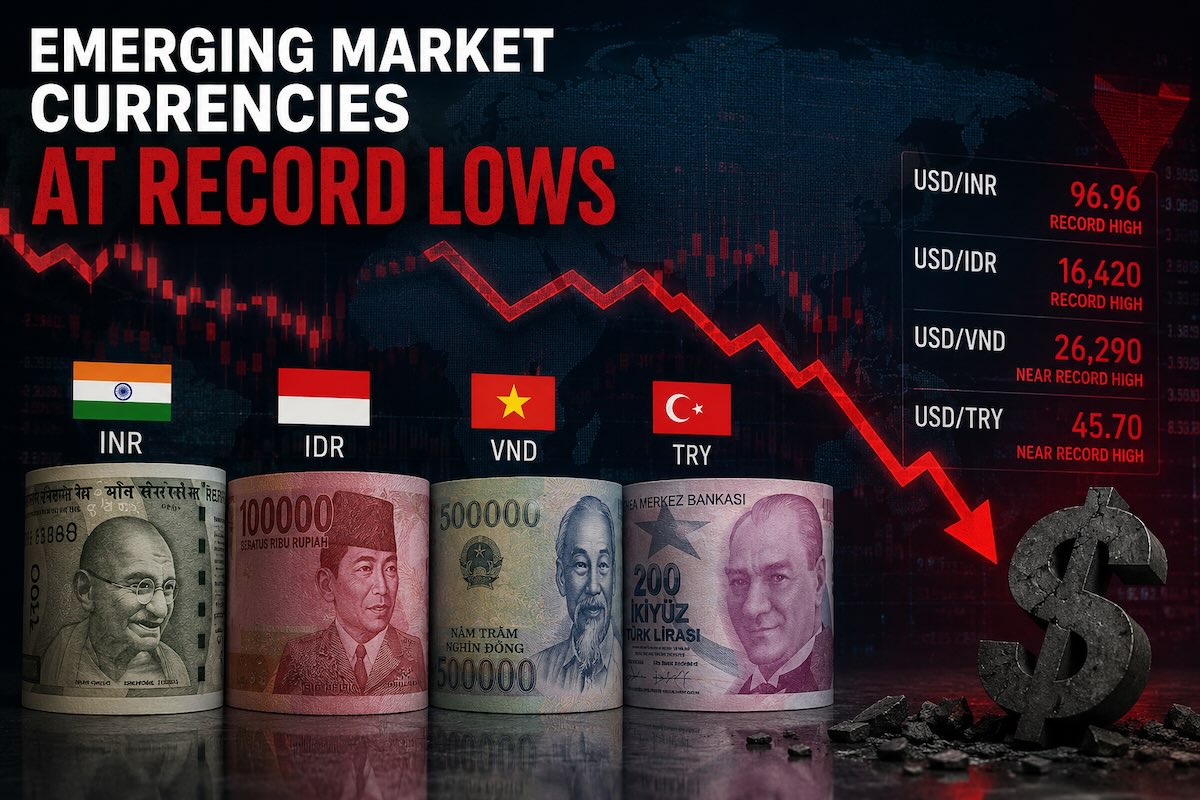
Rupee, Rupiah and Other EM Currencies Hit Record Lows
Several emerging-market currencies are trading at or near record lows against the US dollar, led by the Indian rupee and Indonesian rupiah. For travellers, expats and businesses, the moves are a reminder to compare rates carefully before sending or exchanging money.

Oil Shock: Why Safe-Haven Currencies Are Back in Focus
Higher oil prices and Middle East uncertainty have pushed investors back toward safe-haven currencies, especially the US dollar, while adding pressure to oil-importing and risk-sensitive currencies as the Australian dollar.

Iran conflict lifts U.S. dollar as rupee and won come under pressure
The U.S. dollar has strengthened as investors move into safer assets, while higher oil prices and rising economic risks weigh on Asian currencies such as the Indian rupee and South Korean won.
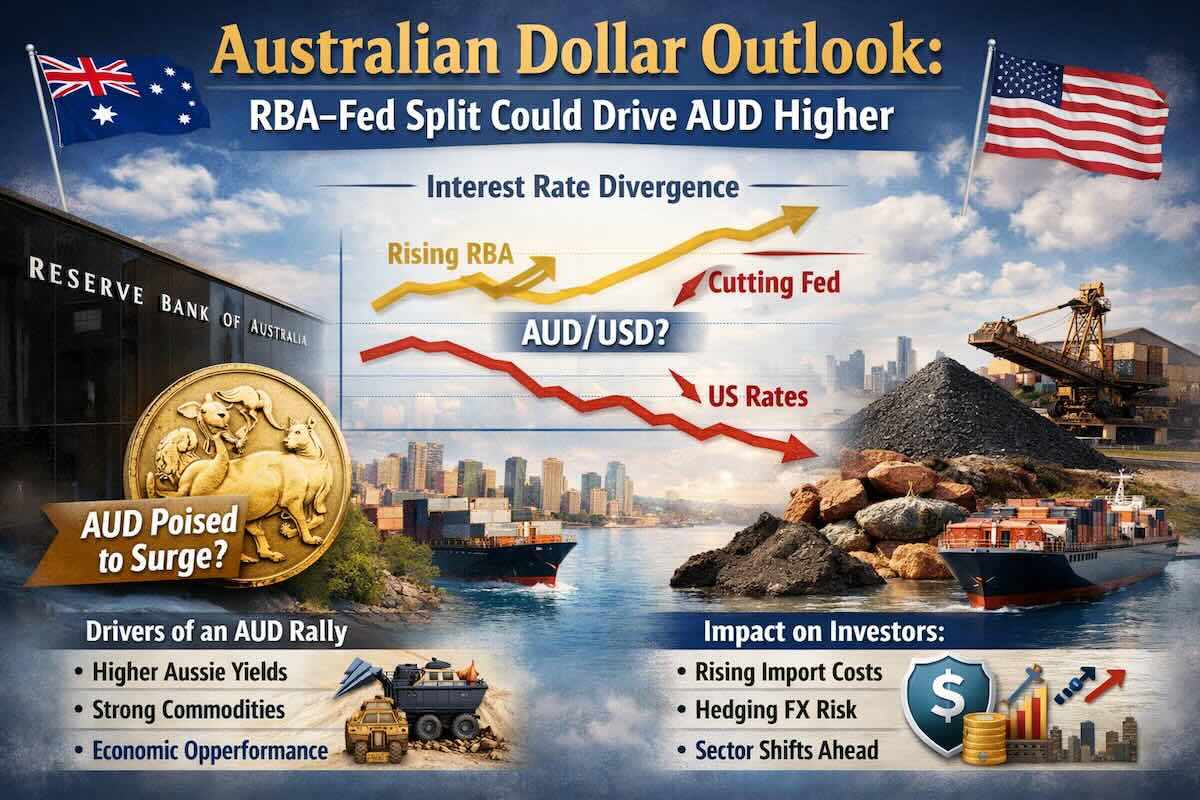
Australian Dollar Outlook: RBA–Fed Split Could Drive AUD Higher
Markets are rapidly repricing Australian interest rates higher while the US moves toward cuts — a mix that has historically been powerful for the Aussie dollar.

Global Central Banks Shift Policy: Key FX Impacts for August 2025
Central banks are moving in different directions—Australia cuts, UK eases despite inflation, and the Fed faces political risks. Here’s what it means for exchange rates and transfer timing.
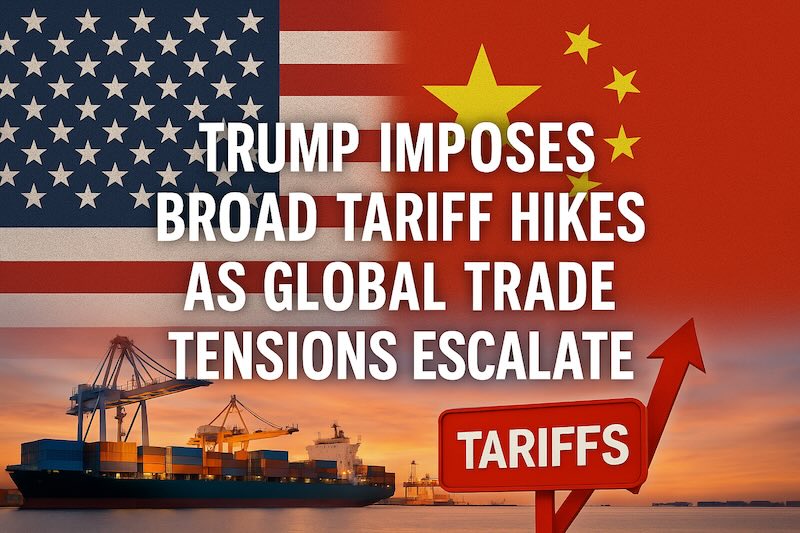
Trump Imposes Broad Tariff Hikes as Global Trade Tensions Escalate
President Trump has raised U.S. tariffs to an average of 15.2%, targeting Canada, Asia, and Europe, as part of his push to reshape global trade. Markets and currencies reacted with caution amid rising uncertainty.
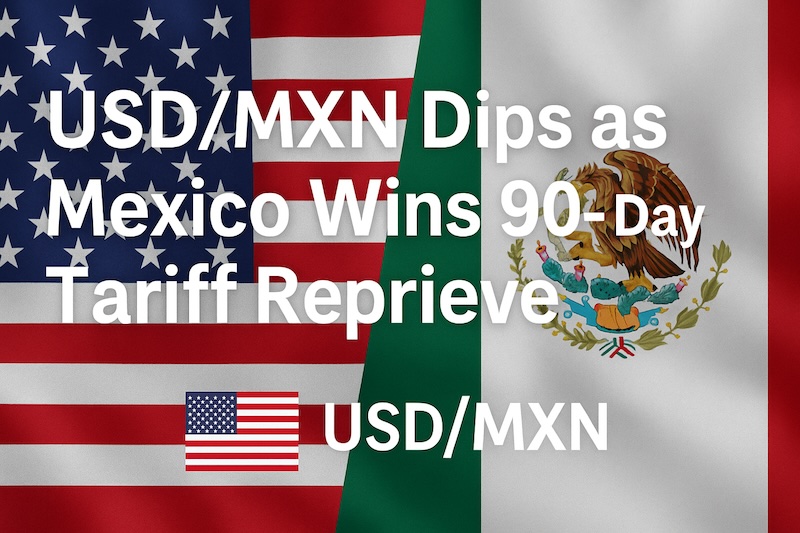
USD/MXN Dips as Mexico Wins 90‑Day Tariff Reprieve
USD/MXN slipped below 19.00 as Mexico received a 90‑day reprieve from planned U.S. tariffs. The peso gained short‑term support, but traders now watch Fed policy and U.S. jobs data for the next market move.

Dollar Surges, Rupee Stumbles: What's Driving FX Markets Now
Global FX markets shifted in July as the USD gained on trade deals, the British pound climbed, and the Indian rupee weakened on tariff fears. Here’s what’s driving currencies now.
Swedish Krona's Strength Challenges Euro Adoption Support
The Swedish Krona's recent appreciation has led to a decline in public support for adopting the Euro, with only 32% favoring the change in 2025.
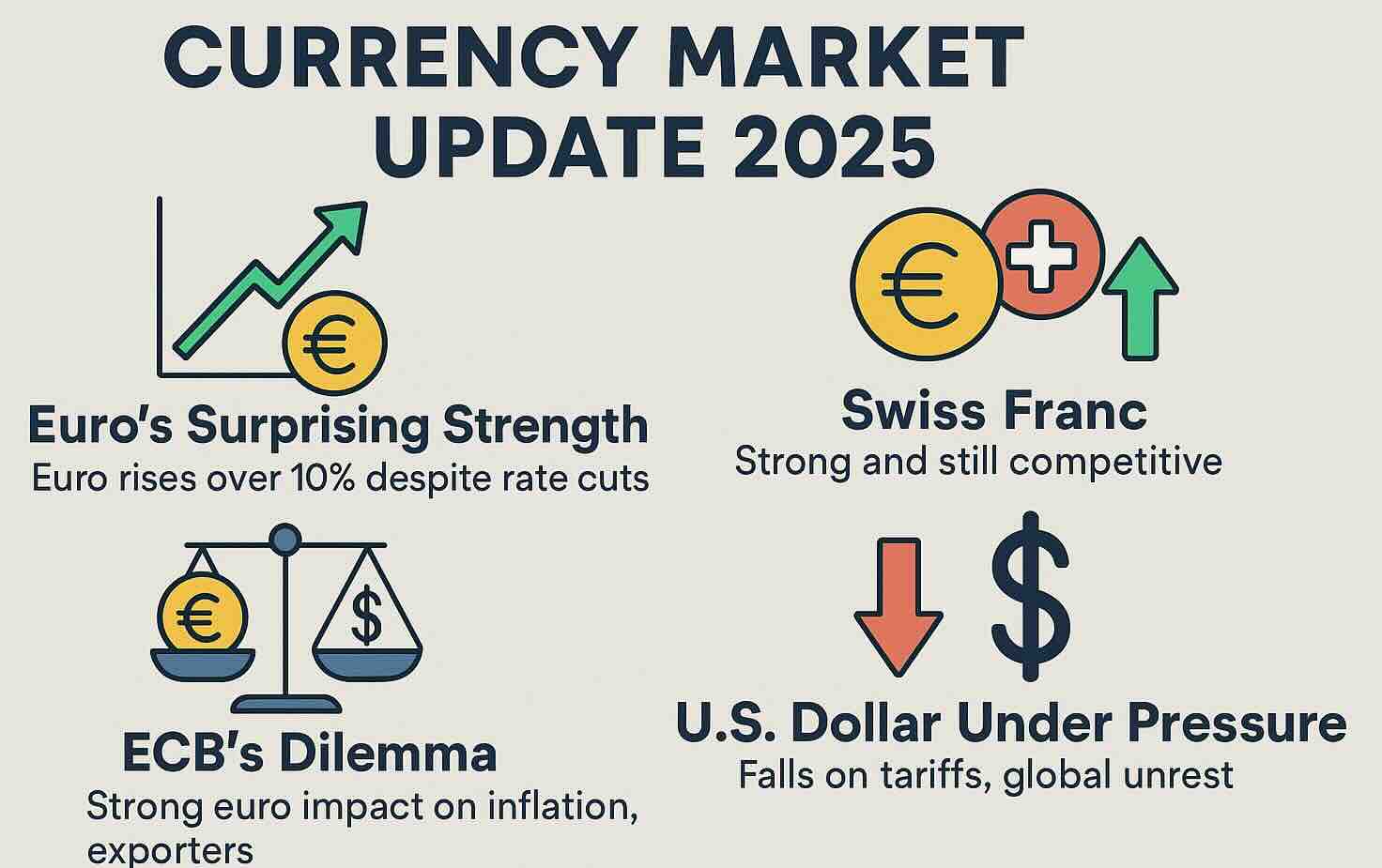
Global Currency Shake-Up: Euro Surges, Dollar Stumbles, Franc Holds Strong
The euro's unexpected rise against the U.S. dollar presents the European Central Bank with a complex dilemma, as global trade tensions and policy shifts influence currency dynamics.

US-China Trade Truce Boosts Dollar, Euro and Yen React
The US dollar surged following a 90-day tariff pause between the US and China, while the euro and yen weakened in response.

Aussie Dollar's 2025 Performance and Impact of Labor Party's Landslide Victory
The Australian dollar has experienced notable fluctuations in 2025, influenced by global trade tensions and domestic political developments, including the Labor Party's decisive election win. However, trade tariffs imposed by the United States, have introduced volatility, prompting market analysts to adjust their forecasts for the currency's trajectory.
Loonie Resilience Defies Odds Amid Carney Election and Trade Tensions
The Canadian dollar has defied political chaos and global headwinds to emerge as one of 2025’s unlikely winners. But with minority rule in Ottawa, soaring household debt, and a high-stakes U.S. election looming, the loonie’s fight for survival is just beginning.
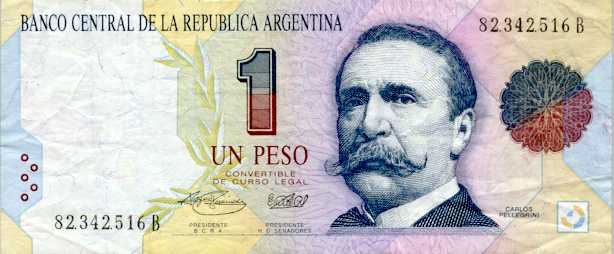
Argentina's Peso Surprises Markets Amid Economic Reforms
Milei publicly criticizes economists as econo-swindlers and alarmists as Argentina's peso has defied expectations by maintaining stability following recent economic reforms, easing inflation concerns and bolstering investor confidence.